The Most Beautiful Country on Earth Just Got Even Better — Your Complete Italy Guide for 2026
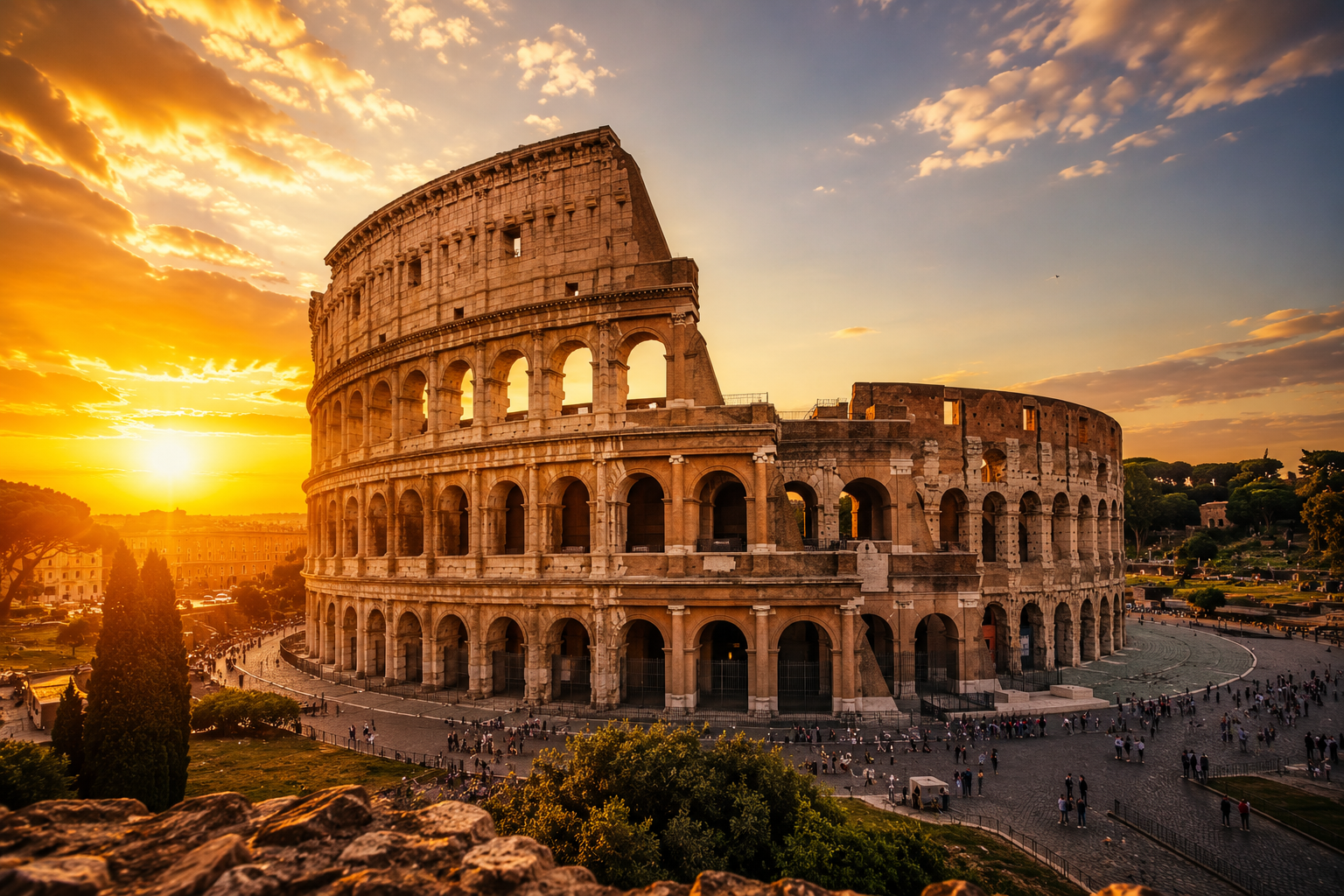
Italy in 2026 is more accessible than it has been in years — new direct flights from Miami and Boston, extraordinary new hotels in Milan, and a country that rewards every traveler who goes deeper than the tourist trail.
This Italy travel guide for 2026 is the one that actually prepares you — not just a list of famous things to photograph, but the intelligence to move through Italy with confidence, eat the right things, avoid the mistakes that waste days, and experience a country that has been building its greatest moments for 3,000 years. Use our free Best Time to Travel Calculator to find your ideal Italy travel window. Build your complete budget with the Vacation Budget Calculator. Find the city that actually matches your travel style with the AI Vacation Match Quiz. Protect your trip with the Travel Insurance Checker. All tools completely free at the Etravels Everywhere Travel Tool Hub. Book a free Italy trip consultation here.
Italy does not need to be oversold. It is the most visited country in Europe for a reason — or rather, for about 10,000 reasons that accumulate across every region, city, village, and meal. The question for 2026 is not whether Italy is worth visiting. The question is how to visit it well. This Italy travel guide for 2026 gives you exactly that — the what, the when, the where, and the how that separates an extraordinary Italy trip from an expensive disappointment.
Italy Travel Guide 2026: Why This Is the Year to Go
Three Reasons 2026 Is the Best Year for Italy in a Decade
Italy is always worth visiting. However, 2026 offers three specific advantages that make this year particularly compelling for American travelers planning an Italy trip.
The first advantage is flight access. New direct routes have made Italy dramatically more accessible from the U.S. East Coast than at any point in recent history. Delta Air Lines launched nonstop service from Boston to Milan Malpensa in 2025. American Airlines launched daily Miami to Milan service in early 2026. JetBlue began Boston to Milan service in May 2026. According to travel change analysis from 5 Reasons to Visit, this concentration of new East Coast access has made Milan — and by extension all of Northern Italy — more accessible from the U.S. than ever before. Furthermore, international airfare to Italy is currently down 10% year-over-year, creating the most favorable flight pricing in years.
The second advantage is the Milan transformation. Milan in 2026 is experiencing its most significant luxury hospitality transformation in living memory. Two landmark luxury hotels opened in 2026 — Six Senses Milan and Rosewood Milan. Trenitalia’s new high-speed service between Milan and Munich opened European multi-country trip possibilities that previously did not exist. Additionally, Milan hosted the 2026 Winter Olympics in February, establishing the city as a global destination in a way that its fashion and design reputation alone never fully accomplished.
The third advantage is value. Italy remains significantly more affordable than comparable European destinations for Americans with strong dollar purchasing power. A spectacular dinner in Rome costs a fraction of an equivalent meal in Paris or London. Accommodation in Tuscany’s agriturismo farm stays — private rooms with breakfast and access to vineyards — starts from around $120 per night. Consequently, Italy delivers a 5-star experience at a price point that makes other luxury European destinations feel financially irrational.
“Italy is a living, breathing museum. Every corner whispers stories of ancient kingdoms, artistic legends, and flavors that have shaped food culture worldwide.”
— Travel Escape Guide · Italy 2026 Destination ReportItaly Travel Guide 2026: The Best Cities and Regions
Where to Go in Italy — Ranked for Different Types of Travelers
Rome — The Eternal City
Central Italy · Best First-Time Destination
3 to 4 Days Minimum · Book Skip-the-Line Tickets in Advance
Rome is where most Italy itineraries begin — and where most travelers realize the word “ancient” means something genuinely different here than anywhere else they have traveled. According to Universe Discovery’s Italy 2026 guide, Rome serves as an ideal starting point — allocate at least three to four days to explore without rushing. The Colosseum and Roman Forum carry visitors back 2,000 years with a physical immediacy that photographs simply cannot replicate. Furthermore, the Vatican Museums and Sistine Chapel require advance booking — walk-in queues during peak season can exceed four hours, and the experience inside deserves full attention rather than exhausted endurance.
Additionally, Rome rewards the traveler who goes beyond the headline attractions. The Trastevere neighborhood — cobblestone streets, ivy-covered walls, neighborhood trattorias where the daily pasta is whatever the owner’s grandmother made that morning — delivers an experience of Rome that the Colosseum crowds never show. Pair your visit with a day trip to Pompeii or Ostia Antica for historical context that deepens everything you already saw in the city.
Florence and Tuscany
Central Italy · Cradle of the Renaissance
3 Days Florence + 2 to 3 Days Tuscany Countryside
Florence is the cradle of the Renaissance — and the city makes that heritage tangible in a way that no museum collection alone can. Universe Discovery’s Italy guide notes that Florence’s Duomo, Ponte Vecchio, and the Uffizi Gallery represent the concentrated pinnacle of Western art history in a single walkable city. Moreover, the Uffizi houses the world’s most significant collection of Italian Renaissance paintings — Botticelli’s Birth of Venus, Leonardo’s Annunciation, Raphael’s portraits — in a sequence that tells a complete story of human creative ambition across three centuries. Book timed entry tickets at least two weeks in advance during peak season.
The surrounding Tuscany region, however, is where the experience shifts from cultural to sensory. According to Odyno Tours’ Italy 2026 guide, wine tasting in Chianti or a cooking class in a villa creates memorable experiences that outlast any museum visit. The cypress-lined hill roads between Siena, San Gimignano, and Montepulciano deliver the visual landscape that has defined Italy’s international image for generations. Furthermore, Tuscany’s agriturismo farm stays — the best slow travel base available in Italy — offer immersive week-long experiences with cooking classes, vineyard access, and the kind of morning views that make people cancel their return flights.
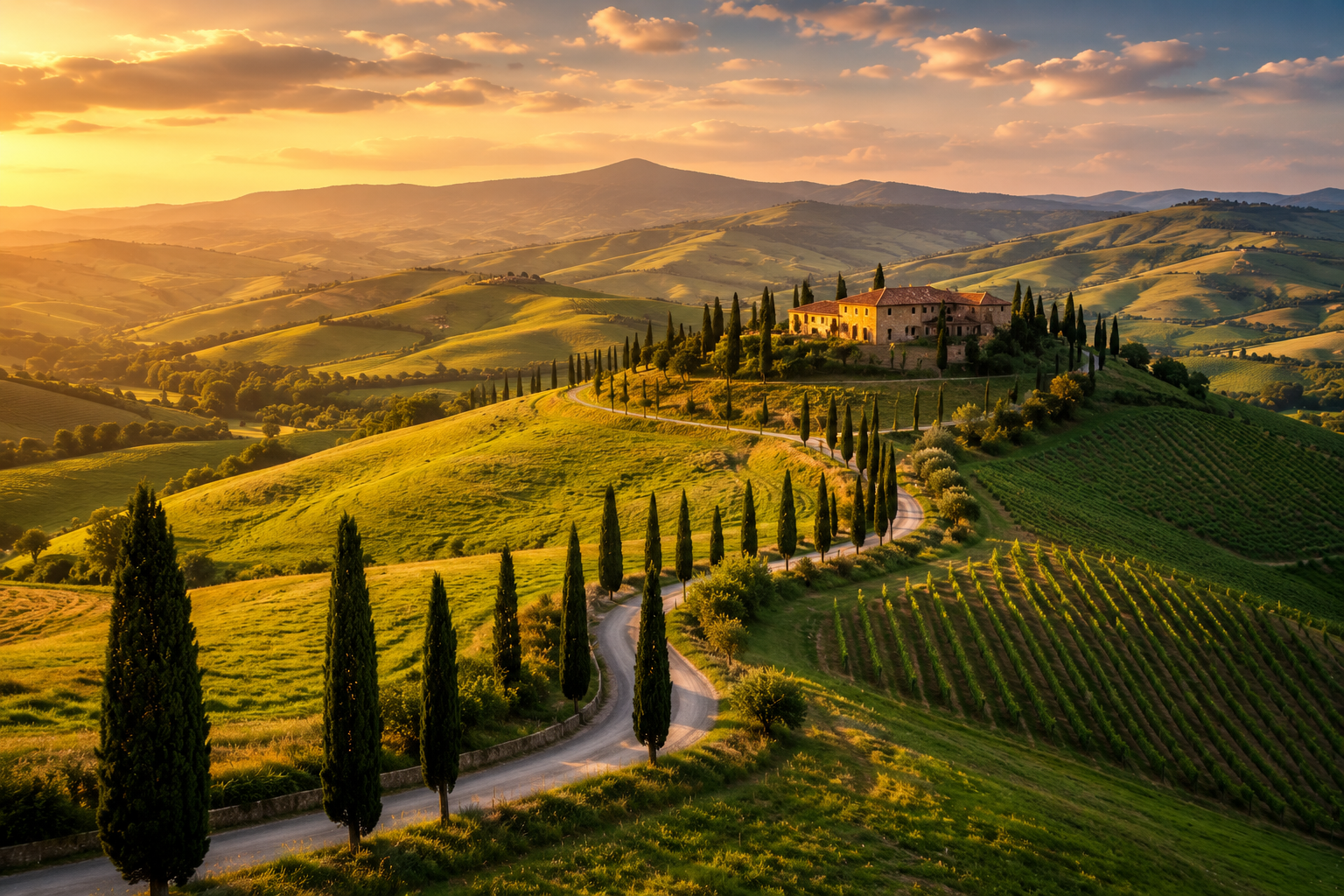
Tuscany’s cypress-lined hill roads between Siena and Montepulciano deliver the visual landscape that has defined Italy’s international image for generations — and no photograph fully prepares you for it.
The Amalfi Coast
Southern Italy · Most Dramatic Coastline in Europe
4 to 5 Days · Base in Positano, Ravello, or Praiano
The Amalfi Coast is one of those places where the reality actually exceeds the photographs — which is a genuinely rare thing to say about a destination this heavily photographed. Cliffside villages in impossible shades of pink, yellow, and terracotta stacked above a Mediterranean so blue it looks painted. Lemon groves cascading down terraced hillsides. Narrow coastal roads where buses and Ferraris negotiate hairpin turns at breathtaking altitudes. The Amalfi Coast is dramatic in the truest sense — not just visually but emotionally. It overwhelms people who thought they were prepared for it.
In 2026, the choice between Capri and Positano is one of the most searched Italy travel questions. According to GetYourGuide’s 2026 Italy guide, Capri offers luxury shopping and mystical sea caves, while Positano delivers colorful hillside villages and scenic beaches. For travelers who want both, a day trip from the Amalfi base to Capri by ferry takes approximately one hour. Furthermore, the lesser-known village of Ravello — 350 meters above the coast — delivers the most extraordinary views on the entire Amalfi Coast from its famous Villa Rufolo garden terrace, without Positano’s crowds or pricing.
Milan and Lake Como
Northern Italy · 2026’s Most Transformed Destination
2 to 3 Days Milan + 2 Days Lake Como · 2026 Winter Olympics City
Milan has long been treated as a connection point rather than a destination — the gateway to Lake Como or the brief stop before Rome. That calculation has changed decisively in 2026. The Winter Olympics transformed Milan’s international profile. Six Senses Milan and Rosewood Milan both opened, establishing the city as a luxury hospitality destination of global significance. The dining scene — already anchored by Michelin-starred institutions — has deepened further with openings drawing international food media attention. Moreover, Trenitalia’s new high-speed Milan-Munich service has created a Northern Italy to Southern Germany multi-country itinerary that opens European travel combinations previously unavailable.
Lake Como, 40 minutes from Milan by train, remains one of Europe’s most beautiful places — and one of its most expensive. Consequently, the strategic approach is to base in Milan and take day trips to specific Como villages like Varenna (quieter, more authentic) and Bellagio (the classic postcard town) rather than paying Como’s premium accommodation rates. The new Lake Como Edition hotel, however, makes an extended Como stay significantly more accessible for travelers willing to invest in the experience. Check the best Milan timing with our free calculator.
Sicily and Puglia
Southern Italy · The Undiscovered Italy · 40% Less Expensive
5 to 7 Days · The Reward for Going Deeper
Southern Italy is where things feel less polished, more chaotic, and — consistently — more rewarding. According to Travels off the Cuff’s 2026 Italy guide, Sicily and Puglia are increasingly popular with travelers looking for something beyond the usual circuit, and they are significantly cheaper than Northern and Central Italy. Naples has the best pizza in the world — a claim that is not marketing language but an objective finding of blind tastings conducted by food critics across three continents. Additionally, Pompeii’s volcanic excavations on Naples’ doorstep represent one of the most extraordinary archaeological experiences available anywhere on earth.
Sicily’s Greek temples at Agrigento — older than Rome, better preserved than Athens — sit in landscapes so wild and beautiful they bear no resemblance to the curated tourist zones of Northern Italy. Puglia’s white-washed trulli houses in Alberobello, the baroque city of Lecce, and the crystal-clear Adriatic coastline attract travelers who have already done Tuscany and want Italy’s genuinely different face. Consequently, Southern Italy and the islands consistently produce the highest satisfaction scores among experienced Italy travelers — the ones who went back a second or third time and finally went deeper.
Italy Travel Guide 2026: Best Time to Visit
When to Go — Month by Month
Timing matters more in Italy than in most European countries. According to Travels off the Cuff’s Italy guide, the best months to visit Italy are April to June and September to October. These seasons offer pleasant weather and lighter crowds — the combination that delivers the most enjoyable Italy experience for most travelers. Here is the complete month-by-month breakdown.
| Month | Weather | Crowds | Best For |
|---|---|---|---|
| April–May | Warm, sunny, 65–75°F | Low to moderate | Best overall — ideal weather, manageable crowds |
| June | Hot, sunny, 80–85°F | Building | Good — before peak summer heat and crowds hit |
| July–August | Very hot, 90°F+ | Peak — extremely busy | Amalfi Coast and lakes work best; avoid Rome midday |
| September–October | Perfect, 70–80°F | Drops significantly | Best value — harvest season, wine country at peak beauty |
| November–March | Cool, 45–60°F | Lowest crowds | Museums, cities, low prices — skip Amalfi Coast |
Italy Travel Guide 2026: Hidden Gems Worth the Detour
Beyond the Tourist Trail — Italy’s Best-Kept Secrets
Italy’s hidden gems consistently outperform its headline destinations on traveler satisfaction — because they deliver the authentic version of what the famous places can only promise. Here are the four that every Italy traveler should consider adding to their 2026 itinerary.
Matera, Basilicata
Europe’s Most Ancient City — Still Lived InA city carved directly into the rock of a ravine, continuously inhabited for 9,000 years. Matera’s sassi cave dwellings — now converted into extraordinary hotels and restaurants — are a UNESCO World Heritage Site and one of the most visually arresting places in Europe. Virtually uncrowded compared to anywhere in Tuscany or the Amalfi Coast.
Cinque Terre, Liguria
Five Villages on a Cliff — Best in Shoulder SeasonFive pastel-colored fishing villages clinging to sheer cliffs above the Ligurian Sea. Cinque Terre is genuinely stunning — but genuinely overcrowded in July and August. Visit in May or September for the same extraordinary scenery at a fraction of the crowd density. Vernazza is the most beautiful of the five villages.
Orvieto, Umbria
The Perfect One-Night Stop Between Rome and FlorenceA medieval hill town perched on a volcanic plateau above the Umbrian valley, with a cathedral facade so ornate it takes several minutes to fully process. Orvieto is 90 minutes from both Rome and Florence by train — making it the ideal overnight stop that most travelers skip and all experienced Italy travelers recommend.
Sardinia, Island
Caribbean-Quality Beaches in Europe — With Zero QueueSardinia’s beaches — Cala Luna, La Pelosa, Cala Goloritzé — offer turquoise water and white sand that rivals any Caribbean beach in quality, at a fraction of Caribbean pricing. The island’s interior delivers ancient nuraghe stone fortresses and mountain landscapes that make Sardinia one of Italy’s most complete destinations.
Every experienced Italy traveler eventually arrives at the same conclusion: the number of destinations on the itinerary is inversely proportional to the quality of the experience. The travelers who try to do Rome, Florence, Venice, Amalfi, Milan, and Sicily in 10 days come home exhausted and vaguely disappointed. The travelers who do Rome and Tuscany in 10 days come home saying it was the best trip of their lives. Pick fewer places. Stay longer. Italy rewards depth more than any country in Europe. If you need help building an Italy itinerary that actually delivers on this principle, book a free consultation with Etravels Everywhere here.
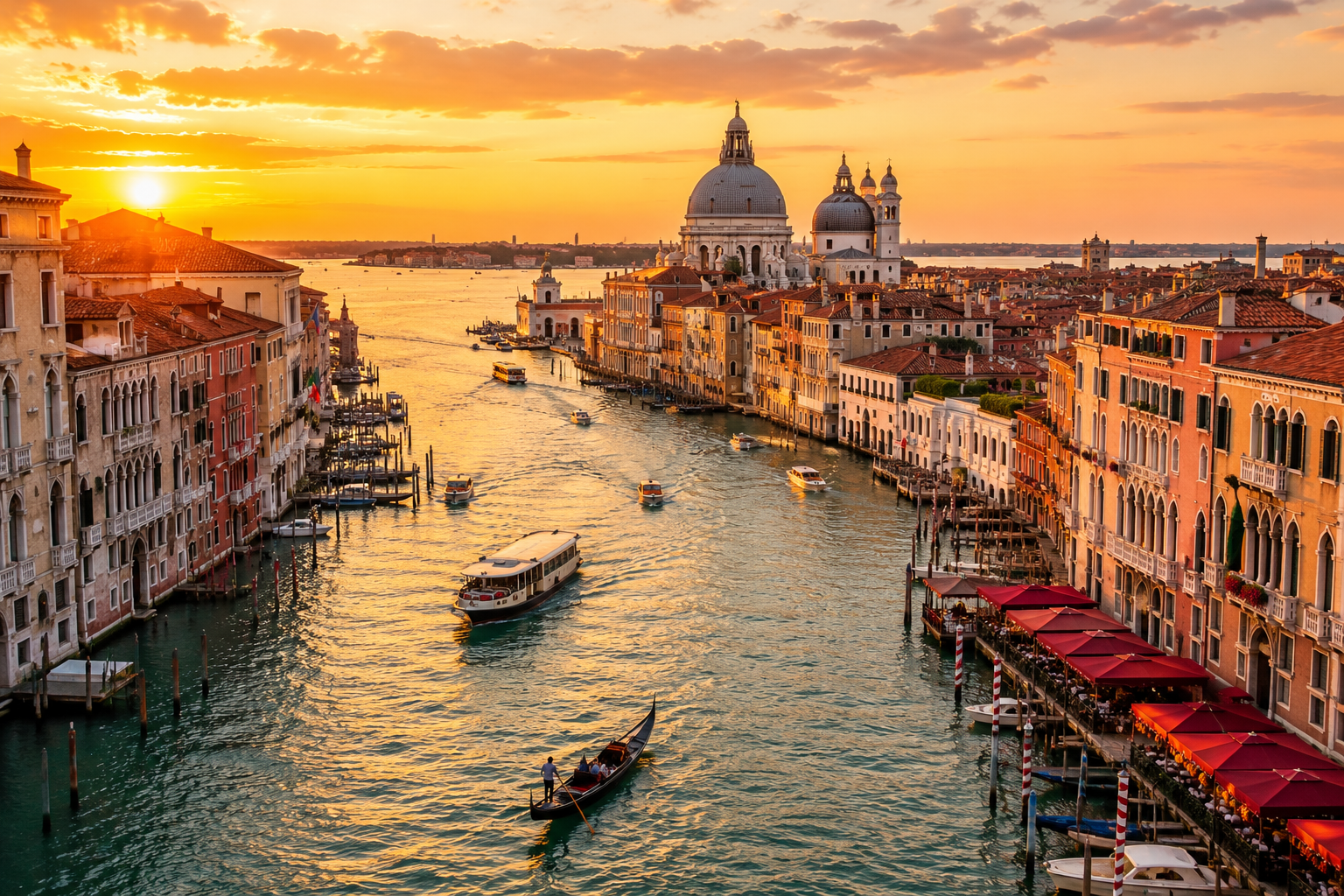
Italy’s hidden gems — from Matera’s 9,000-year-old cave city to Cinque Terre’s cliff-face villages — consistently outperform the famous destinations on traveler satisfaction. The reward for going deeper is always greater.
Italy Travel Guide 2026: Essential Planning Information
Getting Around, What to Eat, and What to Know Before You Go
Italy is straightforward to navigate when you understand a few foundational principles. According to Travel Escape Guide’s Italy 2026 guide, trains are the easiest and most efficient option — Trenitalia connects major cities quickly and comfortably, with high-speed Frecciarossa trains covering the Rome-Florence-Milan corridor in dramatically less time than flying when airport transit is factored in. Renting a car is useful specifically for the countryside — Tuscany, Puglia, and Sicily reward road trips in ways that train-based travel cannot replicate.
Italy Food Guide — What to Eat and Where
Italian food culture operates on a regional specificity that most American travelers do not anticipate. Carbonara belongs to Rome — order it in Milan and you will receive a polite but firm redirect. Pizza Napoletana belongs to Naples — the versions in Florence and Venice are good but not the thing. Risotto belongs to the north. Pesto belongs to Liguria. The principle is consistent across the country: eat what the region makes, not what the tourist menu offers. Furthermore, the price difference between a tourist-strip restaurant and a neighborhood trattoria two streets behind the main square is frequently 60%, with the trattoria delivering a better meal. The laminated menu with photographs is always the wrong choice.
Italy Practical Tips — Before You Board
Book skip-the-line tickets for the Colosseum, the Vatican Museums, the Uffizi, and the Last Supper in Milan before you leave home — not when you arrive. These attractions have limited timed entry slots that sell out weeks in advance during peak season. Additionally, validate your train ticket before boarding — the fine for an unvalidated ticket issued by the on-board inspector is significant and non-negotiable. Pack comfortable walking shoes without question — Italy’s cobblestone streets are extraordinary and relentless simultaneously. Use the free Smart Packing List Generator to ensure nothing is missed before departure.

Italy done correctly looks like this — a long lunch that started at 1 PM and somehow became dinner, with nowhere to be and nowhere else you would rather be.
Plan your Italy trip with free tools: Best Time to Travel Calculator · Vacation Budget Calculator · AI Vacation Match Quiz · Travel Insurance Checker · Smart Packing List Generator. All 9 tools completely free at the Etravels Everywhere Travel Tool Hub.
Italy Is Waiting.
Let’s Build the Trip That Does It Justice.
I am Emoni Davis, certified travel advisor and founder of Etravels Everywhere. An Italy trip built correctly — right timing, right cities, right amount of time in each place, right accommodation for the experience you want — is genuinely life-changing. Your free 20-minute consultation is where that trip begins.
Book My Free Italy Trip Consultation Find My Italy Travel WindowFrequently Asked Questions: Italy Travel Guide 2026
Planning and Timing Questions
What is the best time to visit Italy in 2026?
The best months to visit Italy are April to June and September to October — offering pleasant weather between 65 and 80 degrees Fahrenheit, manageable crowds, and the most enjoyable daily experience across all regions. July and August bring extreme heat above 90 degrees Fahrenheit in Rome and Florence, with peak crowds that significantly diminish the experience at major attractions. September is particularly special — harvest season is underway in Tuscany, the summer crowds have thinned, and the light in the afternoons takes on a quality that photographers chase for years. Use our free Best Time to Travel Calculator for month-by-month Italy guidance specific to your destination regions.
How many days do you need in Italy?
Ten to fourteen days is the ideal Italy trip duration for most first-time visitors. This allows three to four days in Rome, two to three days in Florence, two to three days in Tuscany countryside, and two days in a fourth destination — Venice, Amalfi, or Milan depending on priorities. Shorter trips of seven days work well for one or two regions visited properly rather than rushed. The most common Italy mistake is over-scheduling — planning six cities in ten days produces a transport-heavy, museum-sprint experience that leaves travelers exhausted rather than enriched. Book a free consultation to build a perfectly paced Italy itinerary.
Practical and Budget Questions
How much does an Italy trip cost in 2026?
A 10-day Italy trip for two travelers typically costs between $5,000 and $12,000 all-in, depending on accommodation tier and travel style. Budget travelers staying in quality guesthouses and eating at neighborhood trattorias can manage $350 to $450 per couple per day. Mid-range travelers in boutique hotels with occasional fine dining run $600 to $900 per couple per day. Luxury travelers in five-star properties with private guides run $1,500 to $3,000+ per day. International airfare from the U.S. East Coast to Italy is currently down 10% year-over-year — round trips from Miami and Boston to Milan frequently price around $700 to $900. Use our free Vacation Budget Calculator for a personalized Italy trip cost estimate.
Is a Mediterranean cruise a good way to see Italy?
A Mediterranean cruise is an excellent way to experience multiple Italian ports alongside other European countries in a single trip — particularly for first-time European visitors who want an overview before committing to a land-only itinerary. Cruise itineraries departing from Rome (Civitavecchia) or Venice commonly include Amalfi, Positano, Sicily, and Sardinian ports alongside Greek islands, Croatia, and Spain. The limitation is time — a port day typically provides six to eight hours ashore, which is enough for a meaningful overview but not enough for the depth that Italy rewards. Consequently, many travelers do a Mediterranean cruise as their first Italy experience and return for a land-based trip afterward. Use our free Cruise vs. All-Inclusive Comparator to decide which format works for your Italy goals.